FIELD GUIDE
Best Time to Visit Yunnan: A Month-by-Month Guide
When to come to Yunnan, month by month — weather, crowds, what blooms or snows, and the two windows I would book a trip around.
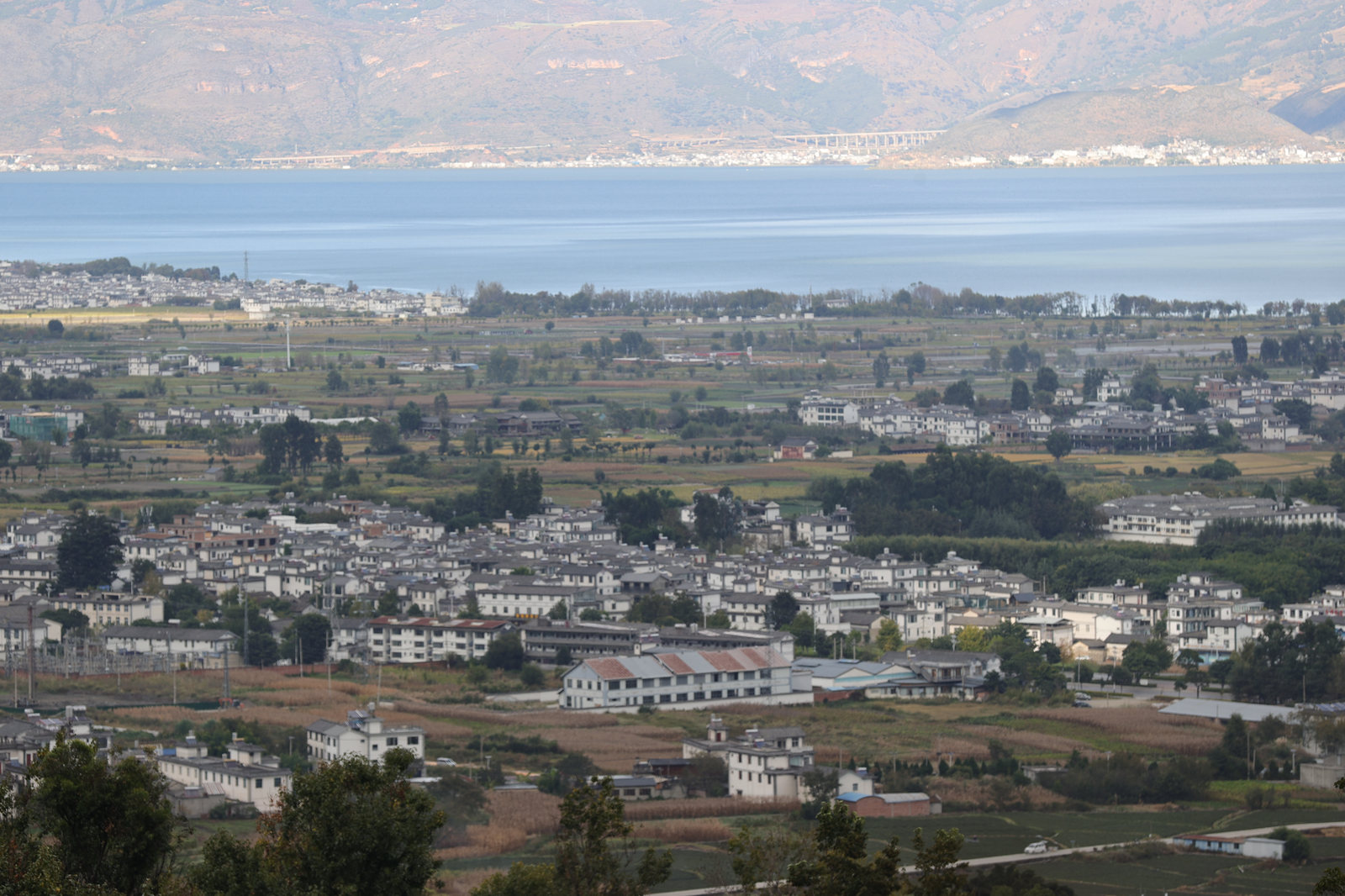
Yunnan is 400,000 square kilometres of mountains, so "best time" depends on where you go. But most trips start in Dali, Lijiang or Kunming, and for that triangle the answer is simpler than the internet makes it sound:
Come in March–May or September–November. Avoid the first week of October.
Here is the month-by-month version, with what actually happens on the ground.
The short answer
| Season | Weather | Crowds | Verdict |
|---|---|---|---|
| Mar–May | 12–24 °C, clear, dry | Medium (May Day holiday is busy) | Best all-round |
| Jun–Aug | 18–26 °C, afternoon rain | High (summer holiday) | Green but cloudy |
| Sep–Nov | 12–22 °C, stable, golden light | Low after mid-Oct | Best for photography |
| Dec–Feb | 2–15 °C, clear skies, snow on peaks | Low (except Spring Festival) | Best views, coldest nights |
Month by month
January. The clearest month. Cangshan carries snow above 3,500 m, the lake is deep blue, and the light is hard and clean. Nights drop to 0 °C or below; days are sunny and 12–15 °C. Very few tourists. This is the month I shoot the snow-and-lake picture everyone asks about.
February. Still clear and cold. Rapeseed fields start turning yellow in the low ground around 喜洲 late in the month — the exact week shifts every year with the cold, so ask locally rather than trusting a calendar.
March. The best single month. Rapeseed in full yellow, peach and pear blossom in the villages, 15–22 °C, almost no rain. Book accommodation early for the second half of the month.
April. Warm, dry, still green. The 三月街 festival (Dali's biggest Bai festival, held around the lunar 3rd month) falls in April or May depending on the lunar calendar — worth planning around if you want to see it, worth avoiding if you want quiet.
May. The transition. Warm (up to 26 °C), the first rain arrives late in the month, and the May Day holiday (1–5 May) brings domestic crowds. After the 5th it empties out again.
June. Rainy season begins. Usually short afternoon or evening showers rather than all-day rain, but Cangshan is often cloud-covered and the lake loses its colour. Fewer tourists, cheaper rooms.
July. The wettest month. Rice fields are brilliant green, waterfalls on the mountain are at full flow, and if you are here for landscape photography you will wait a lot. Still workable for villages and food.
August. Similar to July but the rain starts to ease late in the month. Summer holiday crowds peak in the first three weeks.
September. The rain stops, the air clears, and the fields turn gold. My second-favourite month after March.
October. Superb weather — but the first week is National Day, the busiest travel week of the Chinese year. Flights and hotels are triple price and every viewpoint is packed. Come after the 8th and you get the same weather with a fraction of the people.
November. My favourite for photography: stable high pressure, gold and brown fields, snow beginning on the peaks, very few visitors.
December. Cold, clear, quiet. Snow on Cangshan, warm afternoons, and the cheapest rooms of the year outside the Spring Festival week.
What the seasons do to the photographs
- Snow on Cangshan — January and February, sometimes early March. Does not last; shoot within two days of a fall.
- Rapeseed — late February to mid-March.
- Cloud sea on the mountain — needs a cool night and a warm, humid morning. Most common in spring and autumn.
- Golden fields — late September to early November.
- Clear mountain views — December to March.
Three timing traps
- 1. Chinese public holidays. National Day (1–7 Oct), Spring Festival (late Jan or Feb, dates move), May Day (1–5 May). Prices triple and transport sells out. Check the date before booking anything.
- 2. Altitude vs season. Shangri-La (3,200 m) and 玉龙雪山 (4,500 m+) are cold even in summer; a July trip needs a jacket at altitude, not just in winter.
- 3. Rain is not a washout — but cloud is. June–August rain comes in bursts, and you can still travel comfortably. What you lose is the mountain: if Cangshan is in cloud, half the reason to be in Dali is gone.
Weather patterns here are stable enough that this guide holds year to year, but bloom and snow timing shifts by one to three weeks. Local guesthouses are the fastest way to know what is happening this week.